August 17, 2026
Your car’s windows affect much more than visibility. They also influence interior temperature, comfort, privacy, glare, and how quickly upholstery and trim wear over time. Adding professionally installed window film can improve several of these areas at once. The right film can help make daily driving more comfortable while also supporting the long-term condition of the vehicle’s interior.
Drivers should consider more than appearance when choosing a film. Tint shade, heat rejection, ultraviolet protection, film quality, and local legal limits all matter. Professional installation also helps prevent bubbles, peeling edges, and uneven coverage. Understanding the main benefits of window tint can make it easier to decide which type of film is appropriate for your vehicle, driving habits, and local climate.
1. Reducing Interior Heat
One of the most practical reasons to tint a vehicle is to reduce heat buildup inside the cabin. Sunlight passing through untreated glass can raise interior temperatures quickly, especially when the car is parked outdoors. Seats, steering wheels, dashboards, and seat-belt buckles may become uncomfortable to the touch. A quality film can reject part of the sun’s heat before it enters the vehicle, helping the cabin feel more manageable when you return.
Lower interior heat can also make the air-conditioning system’s job easier. The cabin may cool more quickly, and the system may not need to run at maximum output for as long. Auto tinting cannot eliminate heat completely, but it can reduce the intensity of direct solar gain. This may improve comfort during commutes, road trips, and errands throughout the warmer months. It can also be useful for families with children, drivers who transport pets, and anyone who regularly parks in uncovered lots. Although the vehicle will still warm up, reducing the amount of heat entering through the glass can make the first few minutes inside less uncomfortable.
2. Blocking Harmful UV Rays
Ultraviolet radiation can affect both passengers and vehicle materials. Repeated exposure through side windows may contribute to skin damage over time, particularly for drivers who spend many hours on the road. High-quality window films are designed to block a substantial portion of ultraviolet rays, adding another layer of protection alongside sunscreen, clothing, and other precautions.
UV protection also benefits the interior. Leather, vinyl, fabric, plastic, and other surfaces can fade, dry out, or crack after prolonged sun exposure. By reducing the amount of ultraviolet radiation that reaches these materials, auto tinting may help preserve their color and condition. This can be especially valuable for owners who plan to keep their vehicle for many years or want to protect a restored or premium interior. The protection remains useful throughout the year because ultraviolet rays can reach the cabin even when outdoor temperatures are mild. Film performance varies, so owners should compare product specifications rather than assuming that a darker shade automatically blocks more UV radiation.
3. Reducing Driving Glare
Glare from direct sunlight, wet pavement, snow, and reflective surfaces can make driving uncomfortable and distracting. Bright light may cause squinting, eye strain, and difficulty seeing road details clearly. Window film can soften harsh light entering through the side and rear glass, helping create a more consistent visual environment inside the vehicle.
Reduced glare can be useful during early-morning and late-afternoon driving, when the sun is low on the horizon. It may also help passengers who are sensitive to bright light. Auto tinting does not replace sunglasses or safe driving practices, and the windshield must still comply with applicable rules. However, properly selected film can improve visual comfort without making the cabin excessively dark. The installer should recommend a shade that balances glare reduction with clear outward visibility. This balance is particularly important for nighttime driving, when overly dark windows may make pedestrians, cyclists, signs, and surrounding vehicles more difficult to see.
4. Increasing Cabin Privacy
Tinted windows can make it more difficult for people outside the vehicle to see passengers and personal items inside. This added privacy may help occupants feel more comfortable while traveling, waiting in parking areas, or carrying work materials and everyday belongings. Darker glass can also create a more enclosed and relaxed cabin atmosphere for rear-seat passengers.
Privacy should not be treated as a substitute for securing valuables. Bags, electronics, and other items should still be removed or stored out of sight. Auto tinting can reduce casual visibility, but legal limits determine how dark different windows may be. According to Tinting-Laws.com, all side windows and the rear window of sedans must have a tint that allows more than 35% of visible light to pass through. Drivers should confirm which jurisdiction that requirement applies to before selecting a film. Tint rules may differ based on the window location, vehicle type, and medical exemptions. A professional shop should be familiar with local requirements, but the vehicle owner remains responsible for ensuring that the finished installation complies with the law.
5. Protecting Interior Surfaces
Sunlight and heat can gradually age a vehicle’s interior. Dashboards may become brittle, leather can lose moisture, and upholstery may fade unevenly. These changes often occur slowly, making them easy to overlook until the damage is noticeable. Window film helps reduce exposure to the conditions that contribute to premature wear.
Protecting the interior can support both appearance and resale value. A cabin with less fading, cracking, and discoloration may look better maintained when the vehicle is sold or traded. Auto tinting is only one part of interior care, so owners should also use appropriate cleaners, conditioners, sunshades, and regular maintenance.
Together, these steps can help materials retain their finish for longer. Preserving the cabin may also reduce the need for premature upholstery repairs, dashboard replacement, or cosmetic restoration. While tint cannot reverse damage that has already occurred, installing it before severe fading develops can support a more consistent appearance across exposed surfaces.
6. Improving Glass Safety
Window film adheres to the surface of the glass, which may help hold some fragments together if a window breaks. During a collision, an attempted break-in, or an impact from road debris, this bond can reduce the scattering of loose glass inside the cabin. The film does not make standard automotive glass unbreakable, but it can add a supportive layer.
Different films offer different levels of thickness and performance, so drivers should ask what type is being installed. Standard window film is primarily designed for solar control and appearance, while security-focused films may be thicker and intended for added glass retention. A professional installer can explain the differences and help you choose a product that matches your priorities. Drivers should also understand that glass-retention benefits depend on the type of impact, the condition of the glass, and the film used. This feature should be viewed as a possible added benefit rather than a replacement for factory safety systems or secure parking practices.
7. Enhancing Vehicle Appearance
Window film can give a vehicle a cleaner, more cohesive appearance. A consistent shade across the side and rear windows may complement the paint, wheels, and body lines. Tint can look subtle and refined or darker and more dramatic, depending on the film selected and what local law permits.
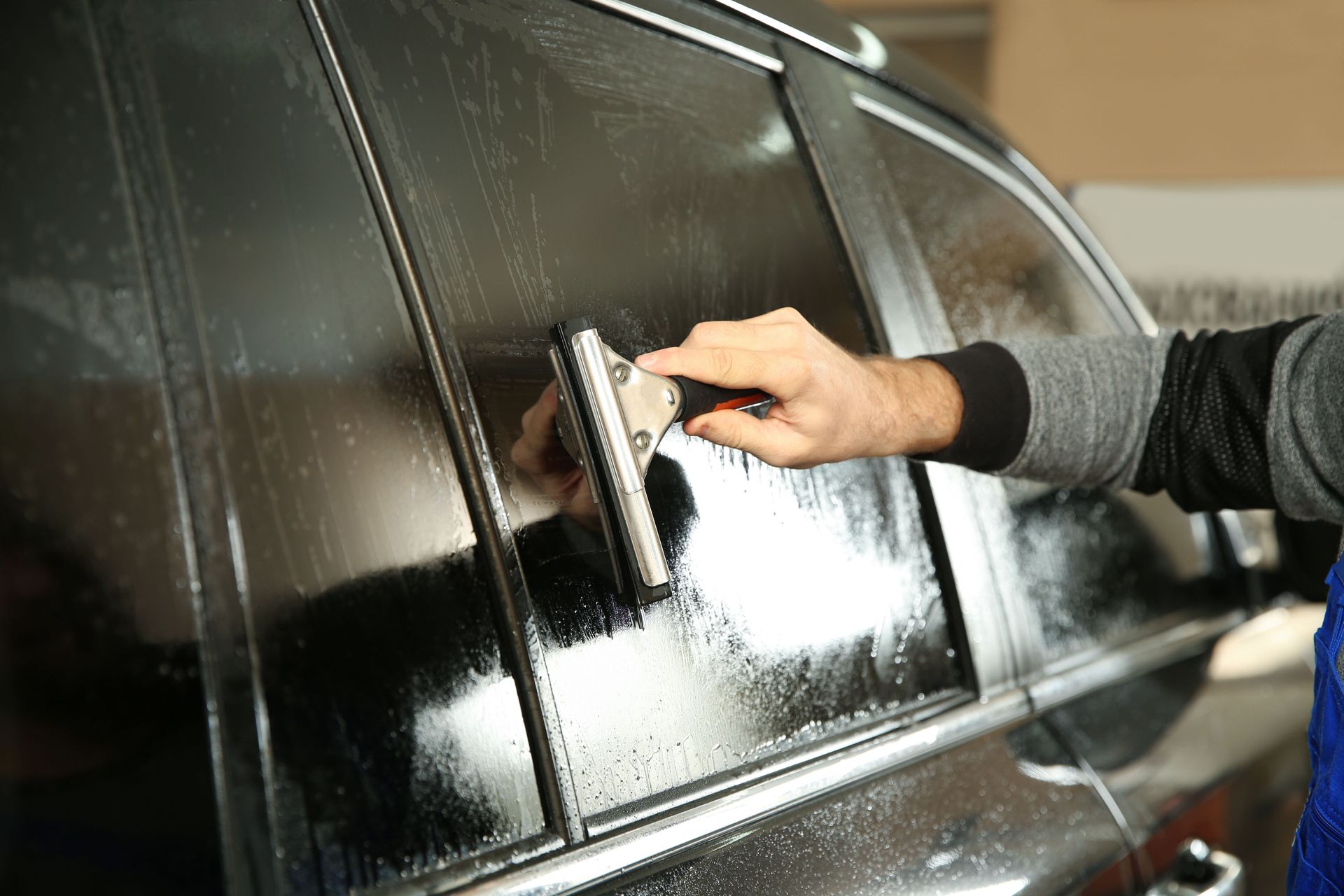
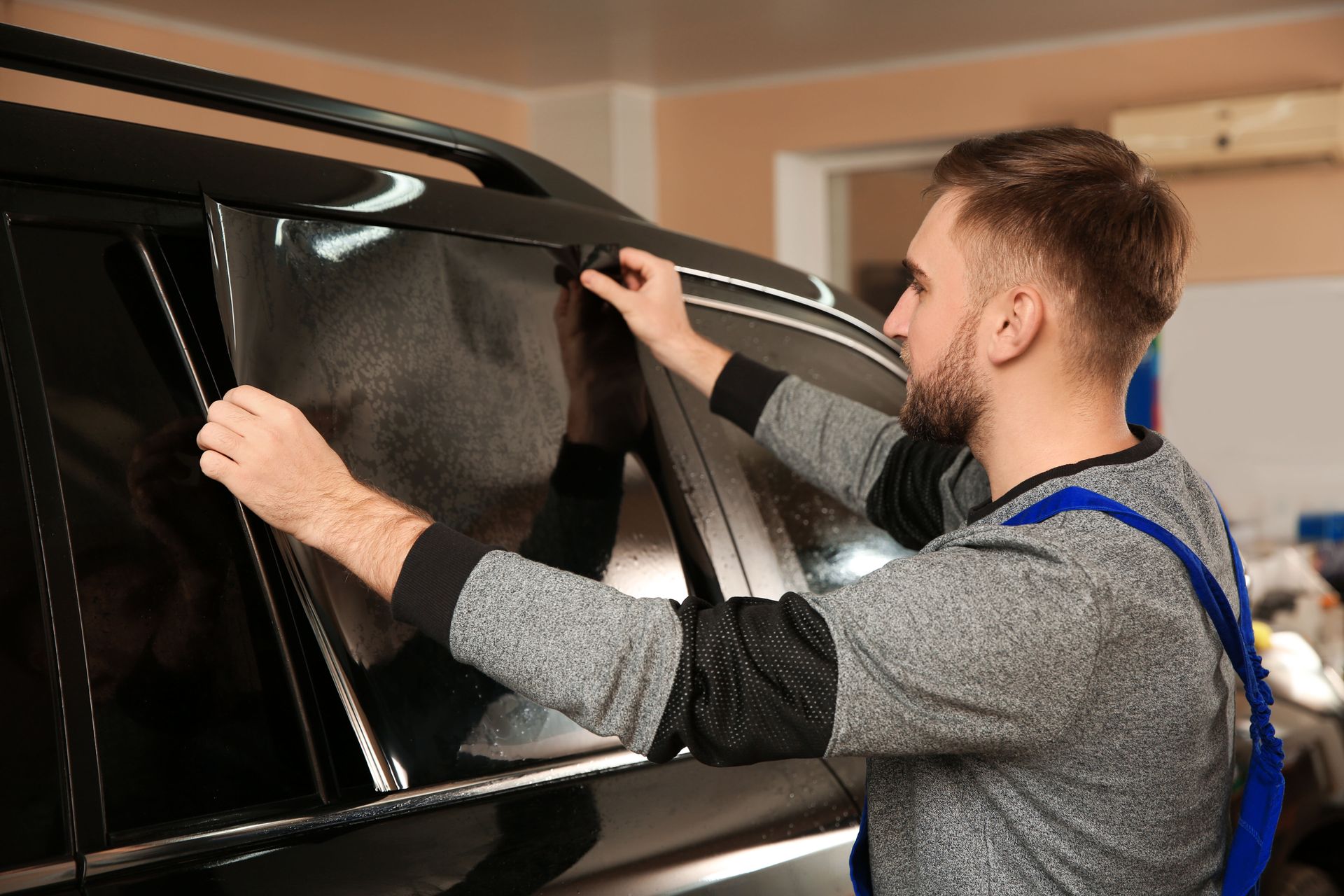
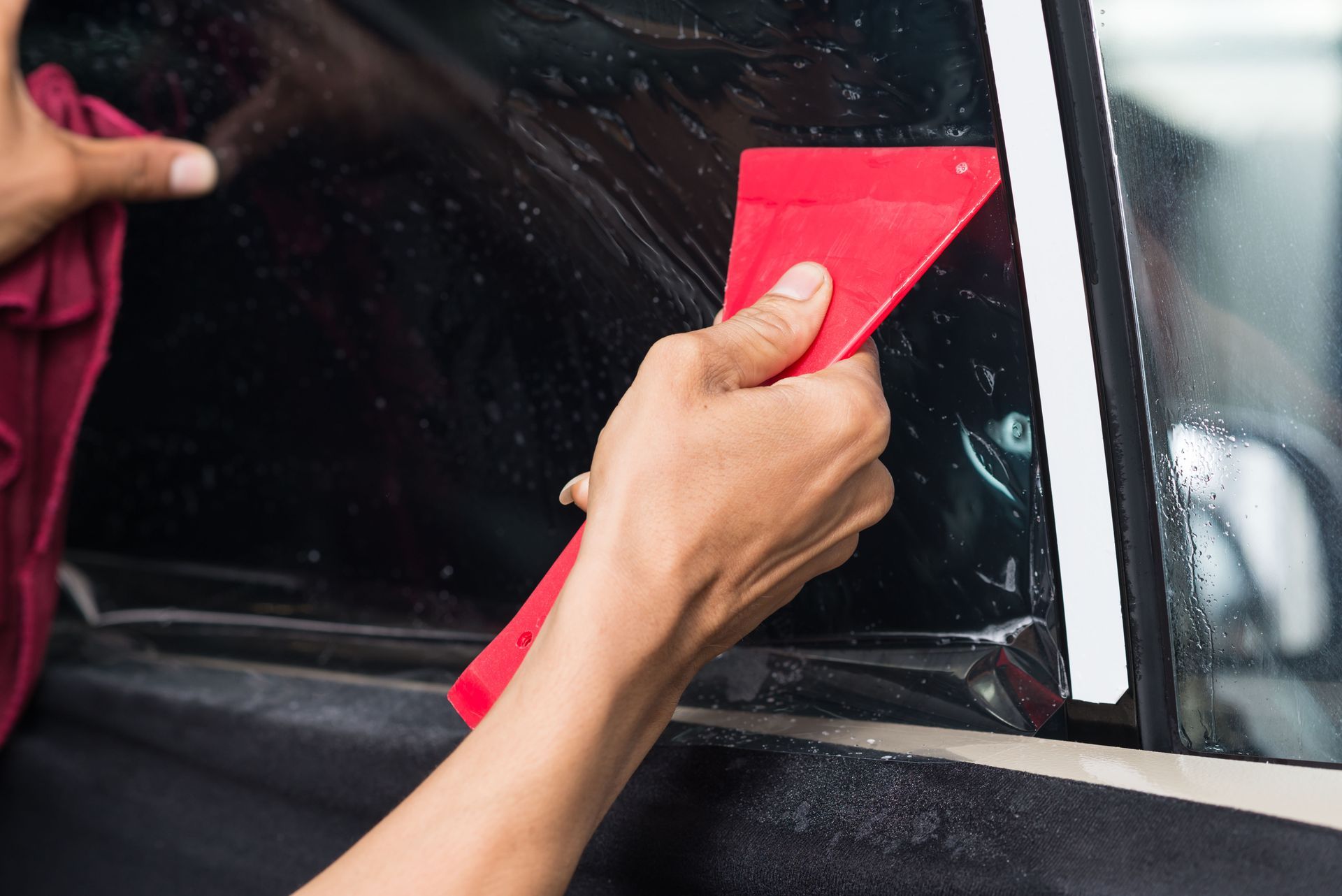
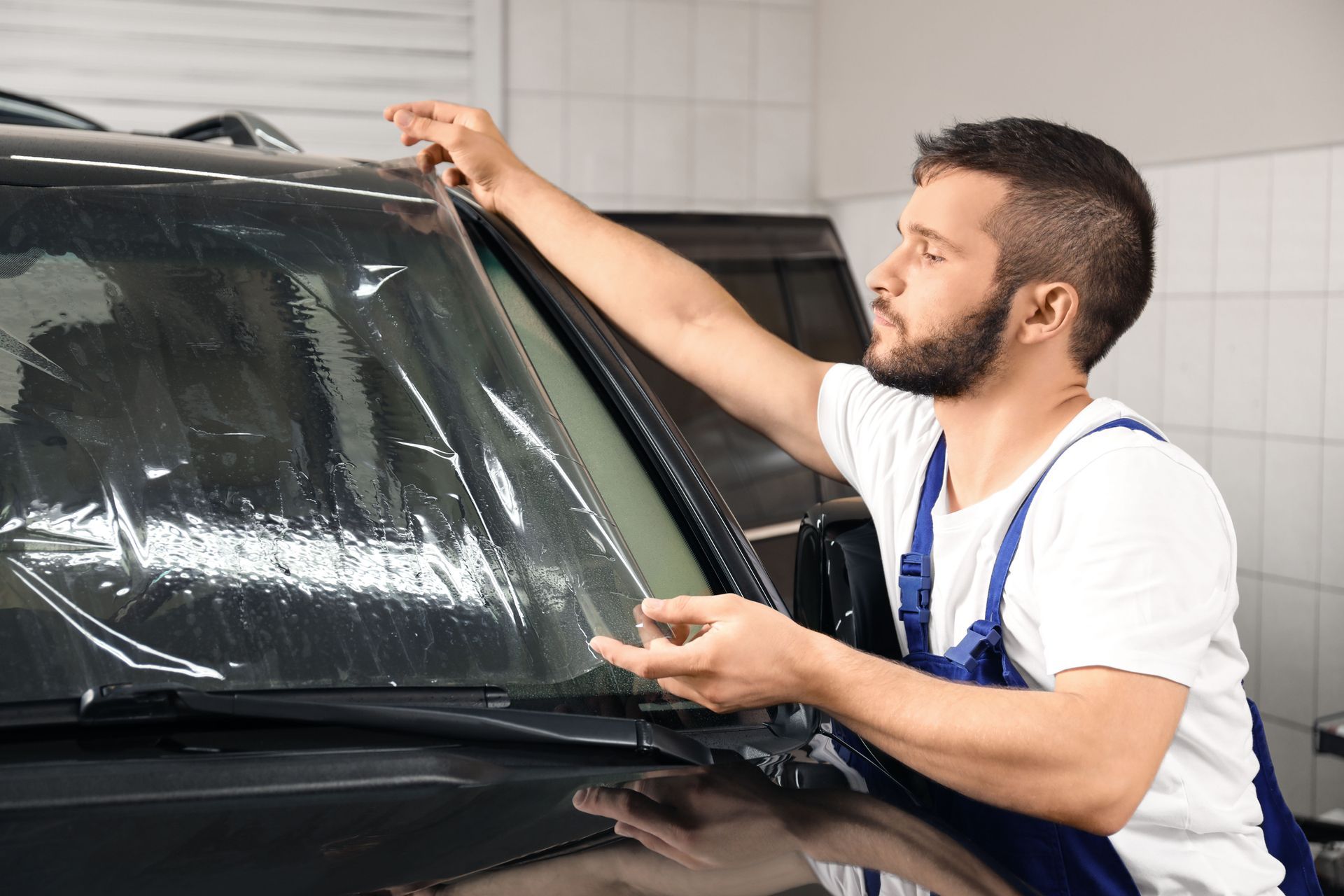
Professional installation is important because visible bubbles, creases, contamination, or uneven edges can detract from the finished look. Experienced technicians prepare the glass carefully, cut the film accurately, and apply it in a controlled manner. Auto tinting can therefore serve both practical and aesthetic goals when the product and installation quality are well-matched to the vehicle. Professional work may also be supported by a product or installation warranty, depending on the shop and film manufacturer. Asking about curing time, cleaning instructions, and warranty coverage can help protect the finished result after installation.
Window tint can reduce cabin heat, block ultraviolet rays, soften glare, increase privacy, protect interior materials, support glass retention, and improve a vehicle’s appearance. The best results depend on selecting a quality film, following local tint regulations, and using an experienced installer who can apply it cleanly. To explore auto tinting options that suit your car and driving needs, contact Midnight Tinting today.